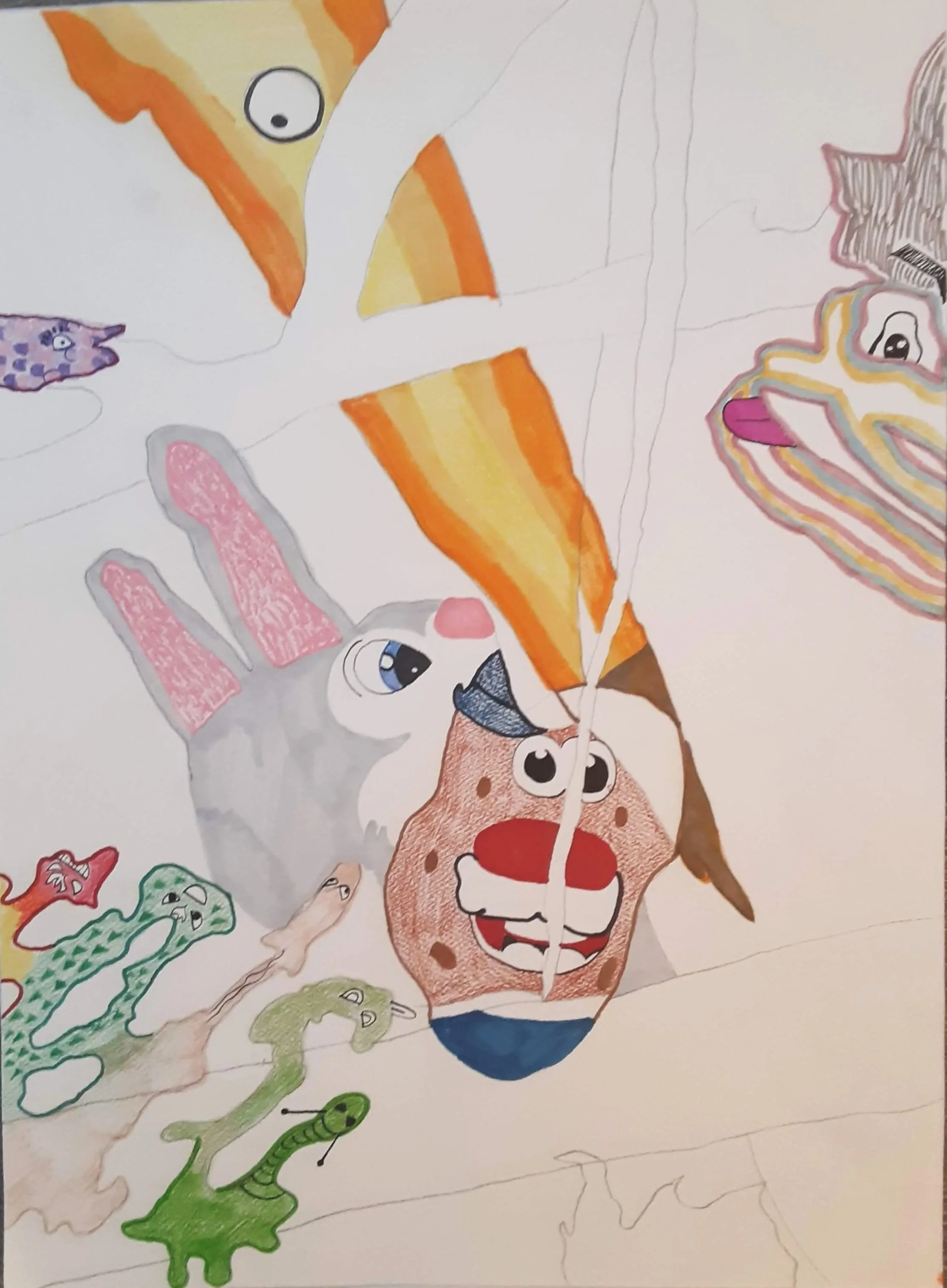
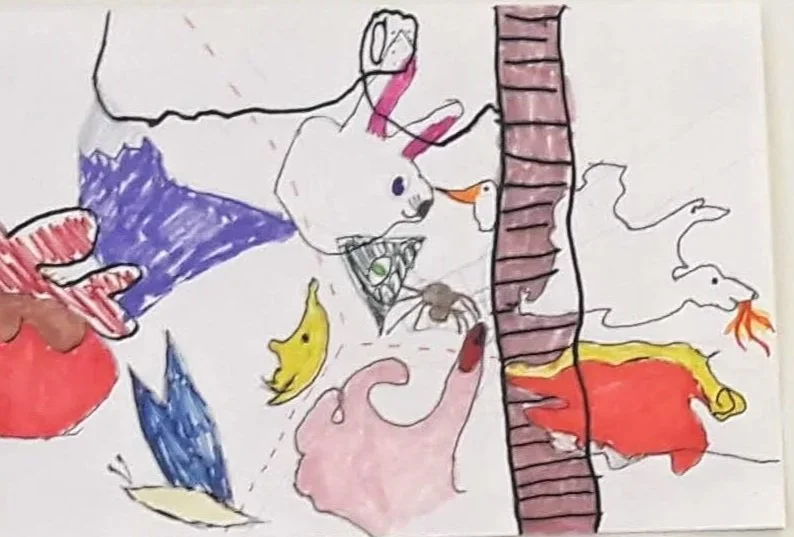
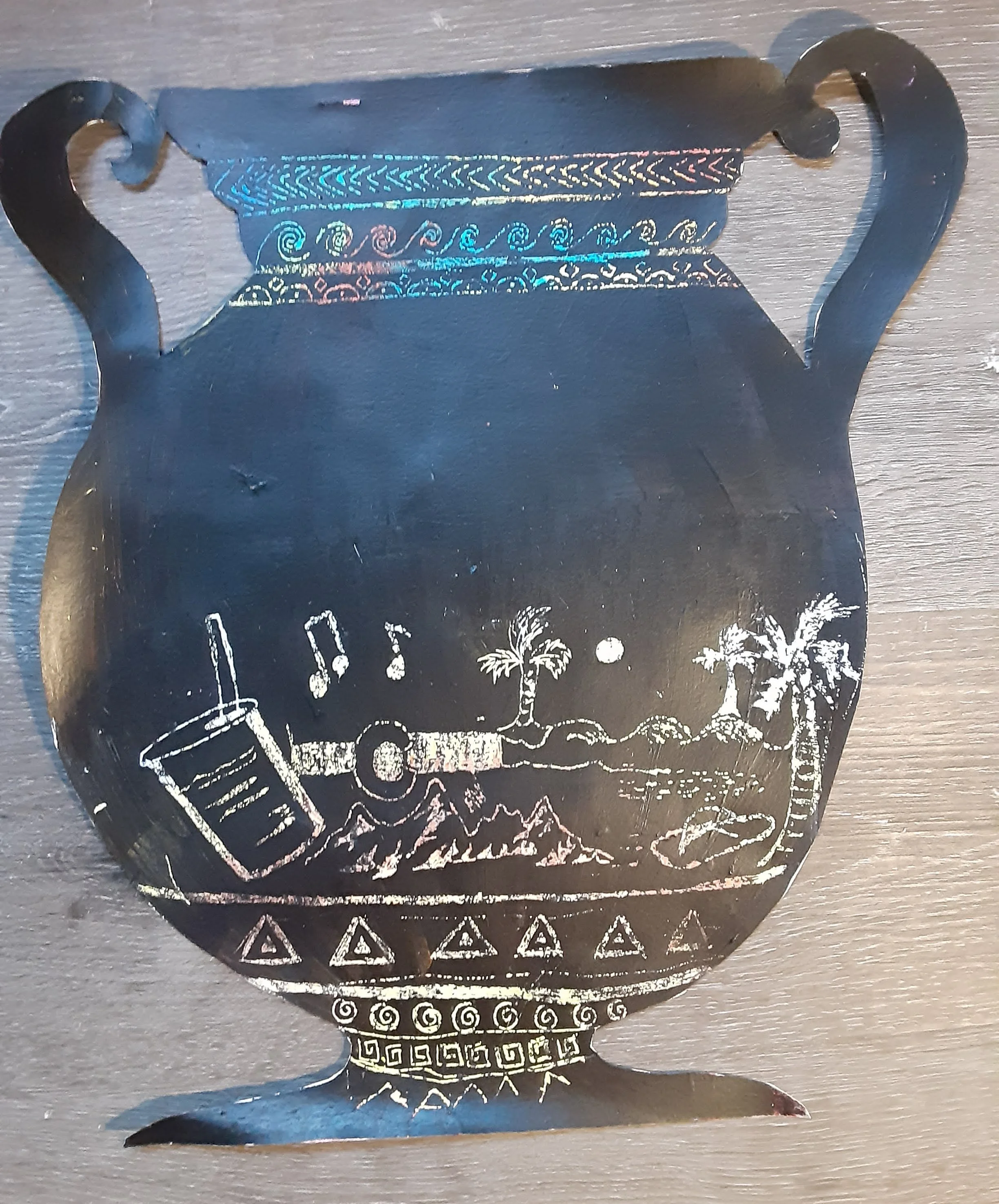
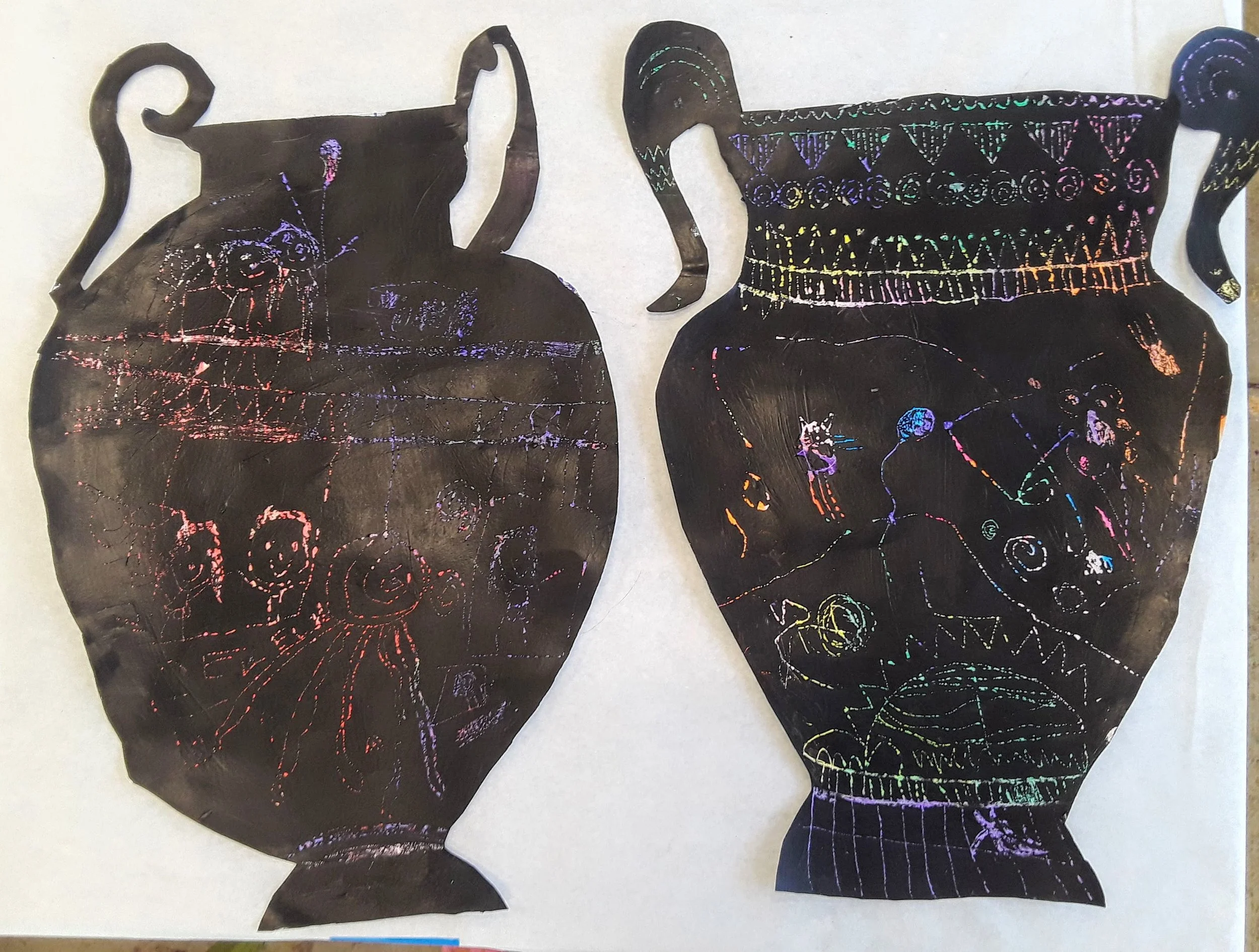
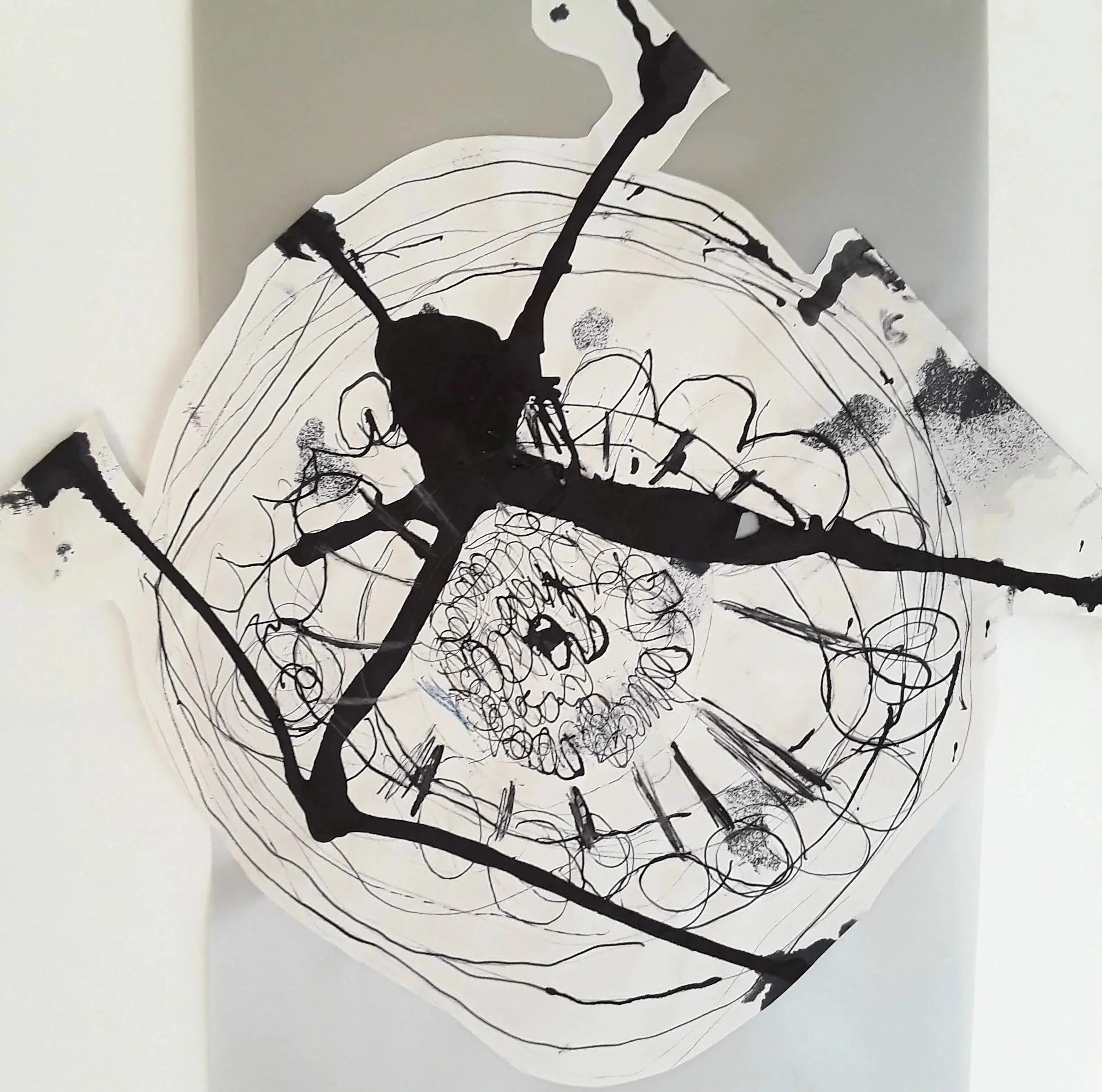
Drawing is one of the most accessible and foundational forms of visual art, offering children an easy and natural entry point into creative expression. From the earliest stages of development, children begin exploring drawing through simple marks and scribbles, discovering the joy of movement and the connection between hand, mind, and imagination. These early markings reflect growing motor skills and an awareness of how gestures can create visual meaning.
As children develop, they begin to recognize how complex objects can be simplified into basic shapes such as circles, lines, and curves. This understanding allows them to represent people, animals, and the world around them in increasingly intentional ways. Over time, drawing evolves from imaginative interpretation to more refined observation, as children gain the ability to depict subjects with greater detail, proportion, and realism.
In teaching drawing, instruction can be adapted to meet each child at their developmental stage, encouraging both technical growth and creative freedom. Fostering imagination and self-expression is an essential part of the artistic process, helping children build confidence, problem-solving skills, and a willingness to explore ideas without fear of mistakes. These creative habits often extend beyond art and become valuable tools throughout life.
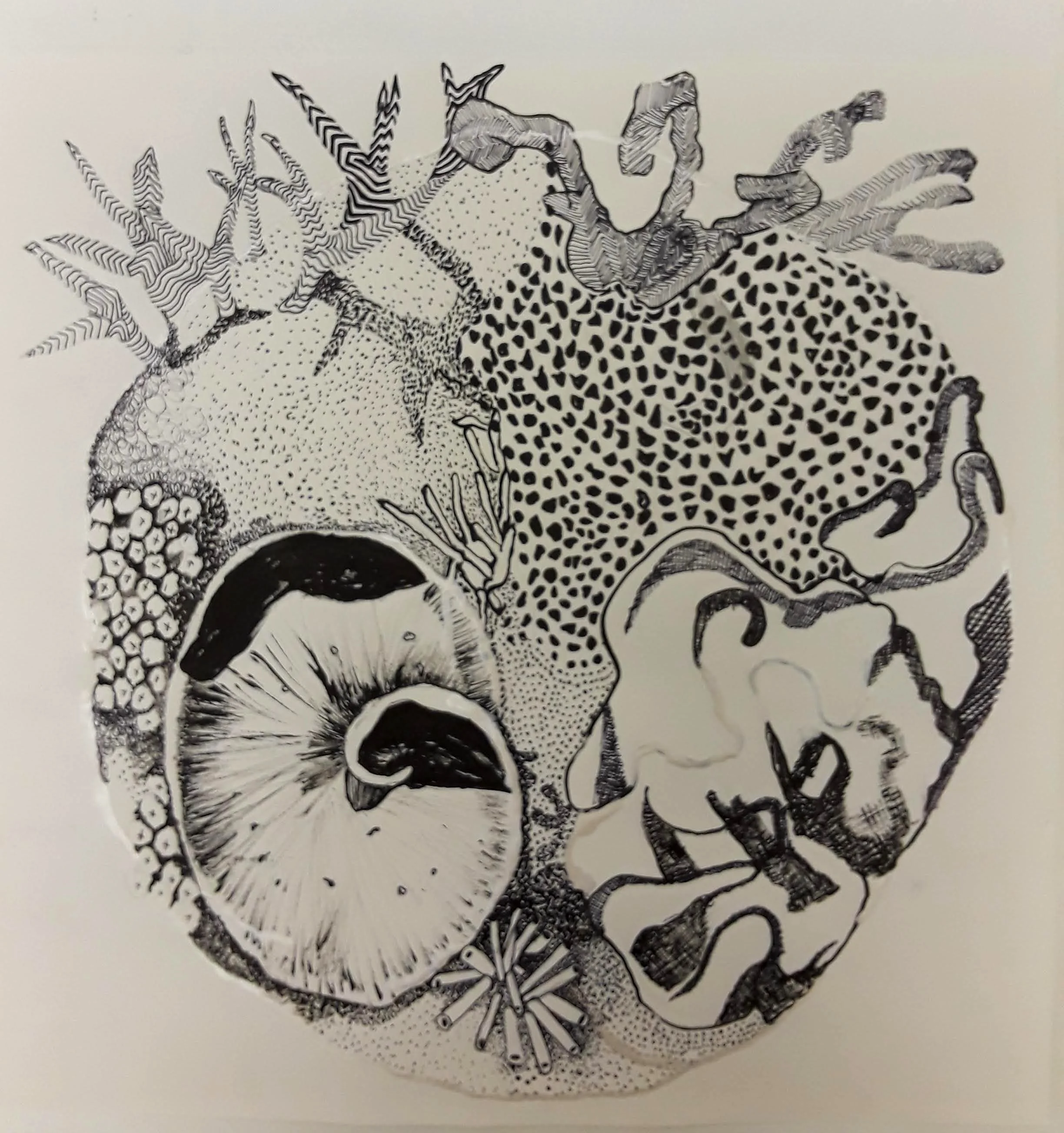
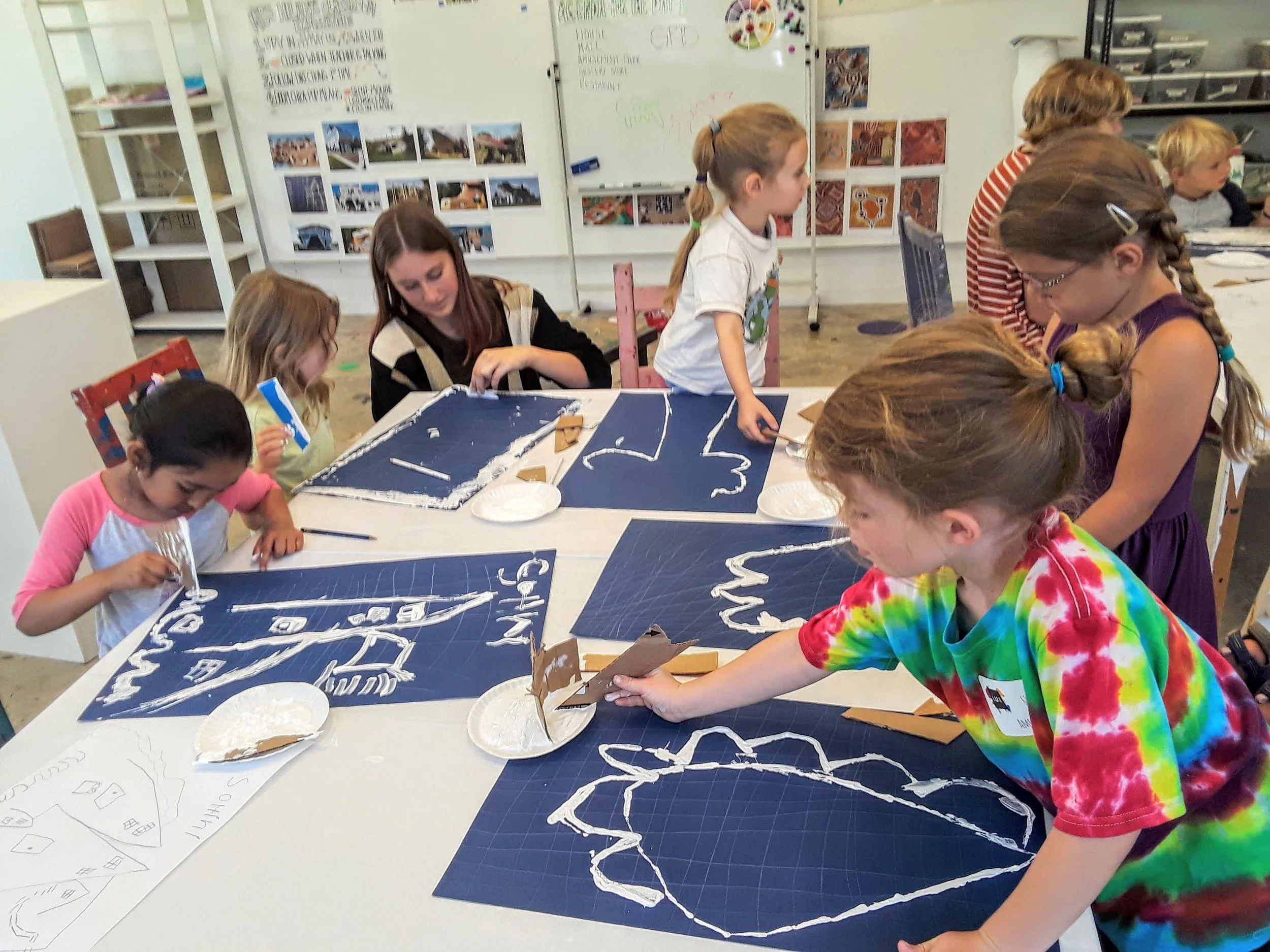
Drawing is also one of the most practical art forms because of the wide availability of materials such as crayons, colored pencils, markers, and graphite pencils. Beyond these familiar tools, students can be introduced to a variety of exciting mediums including charcoal, chalk pastel, pen and ink, paint resist, glue drawing, and conte. Exploring these unique materials expands artistic possibilities and often sparks curiosity and enthusiasm, making drawing both an educational and highly engaging experience.