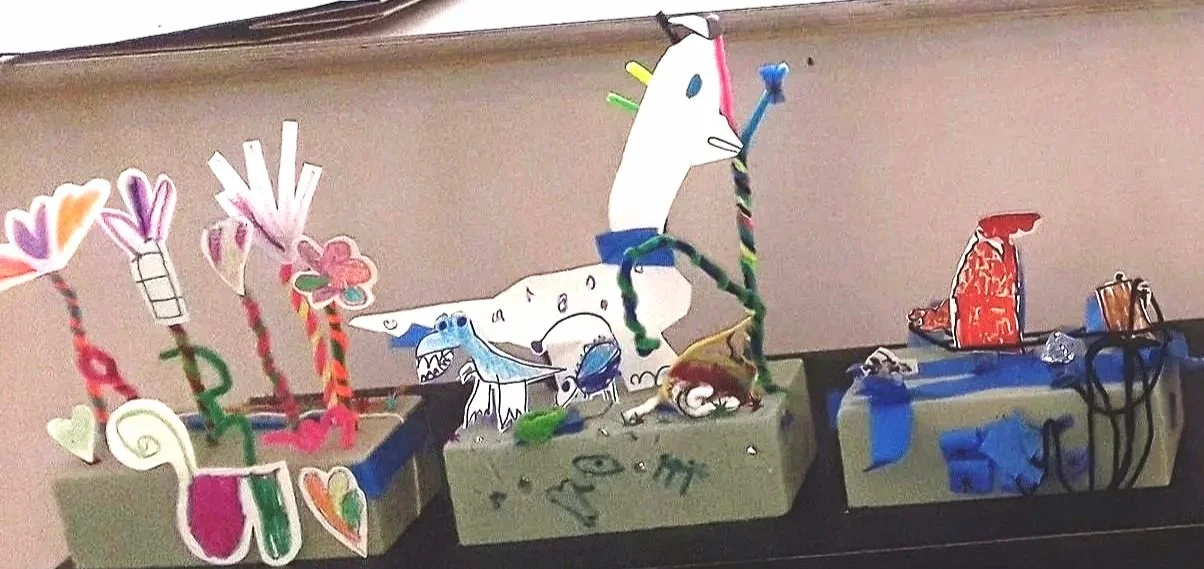
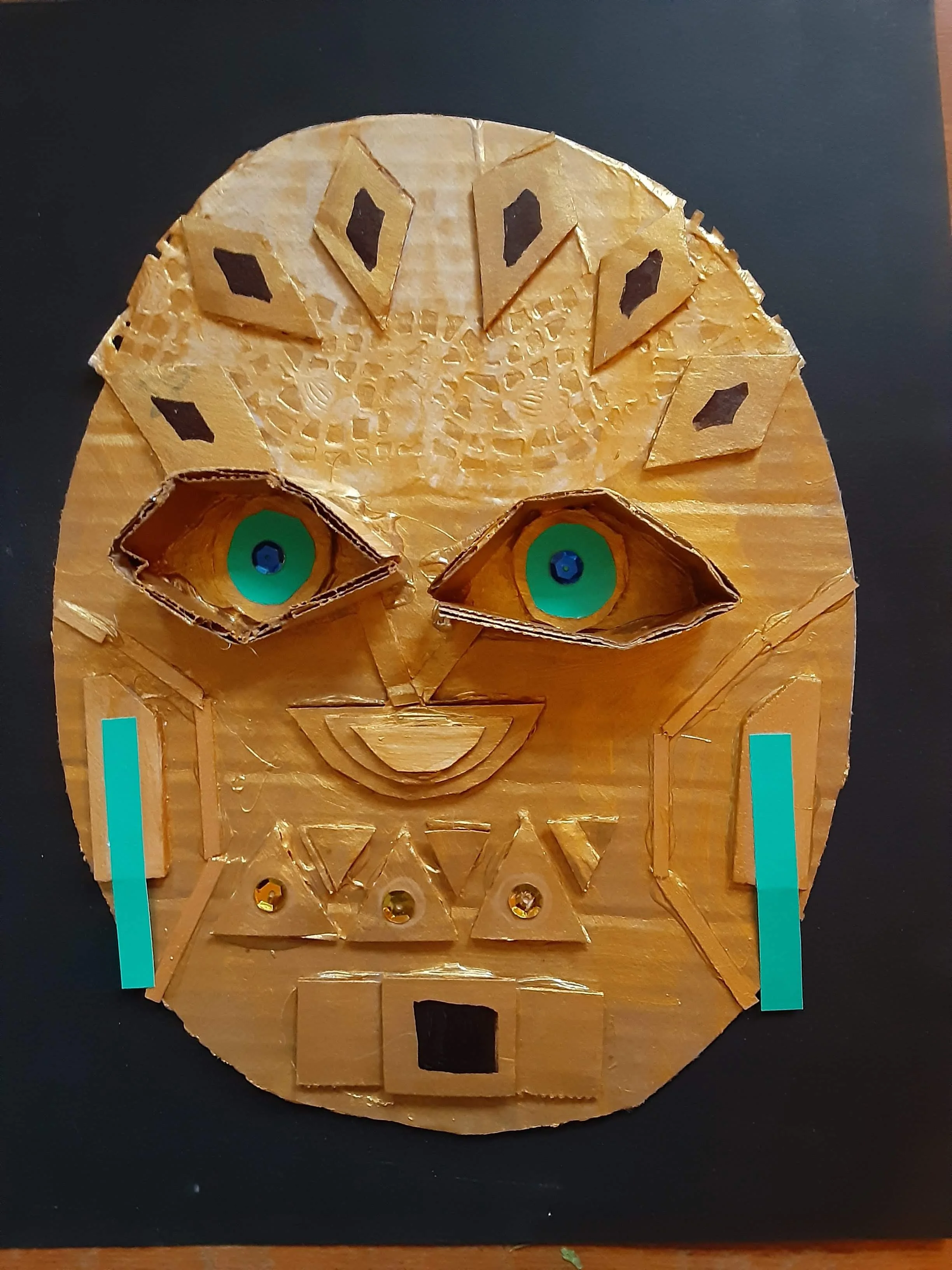
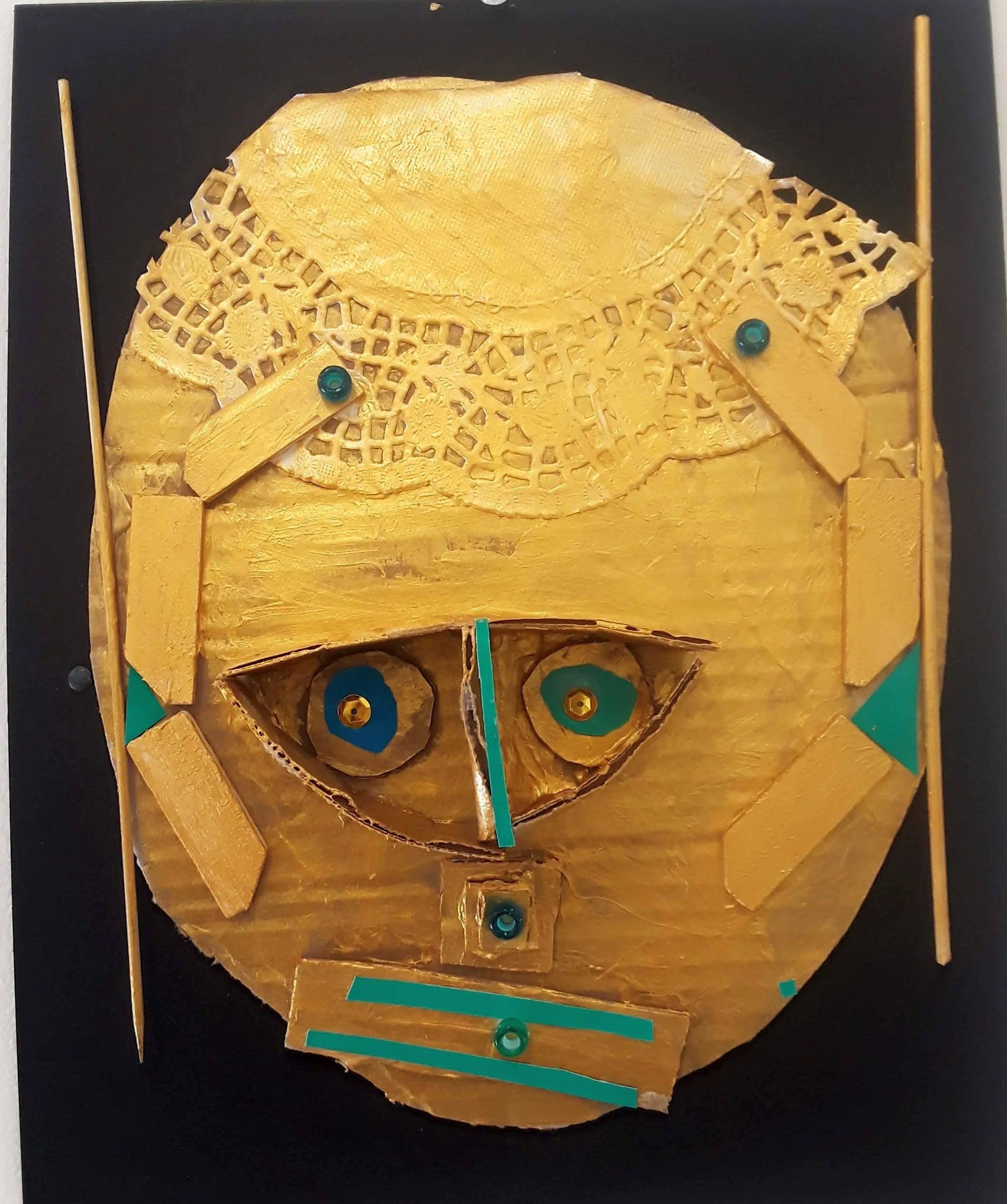
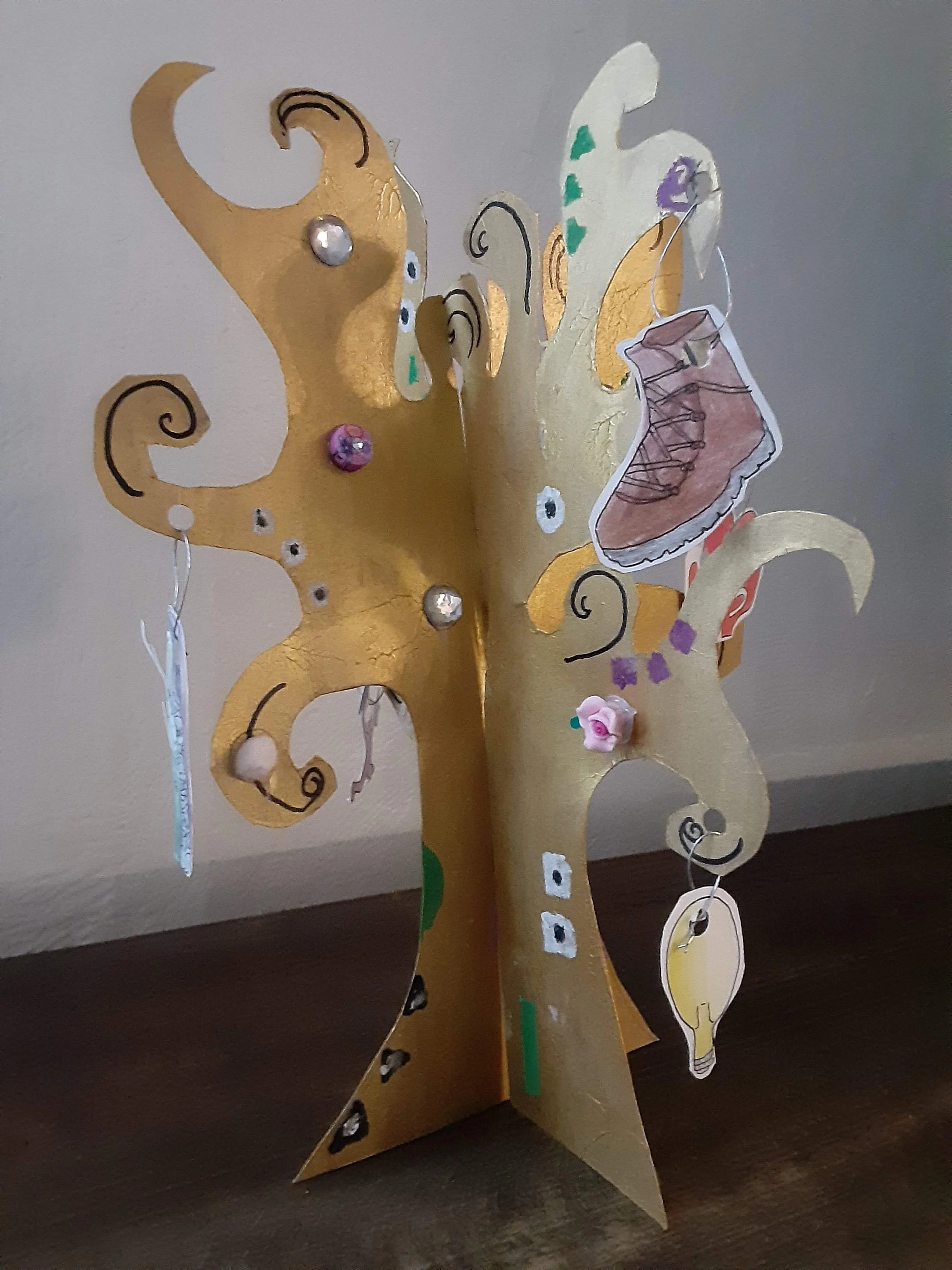
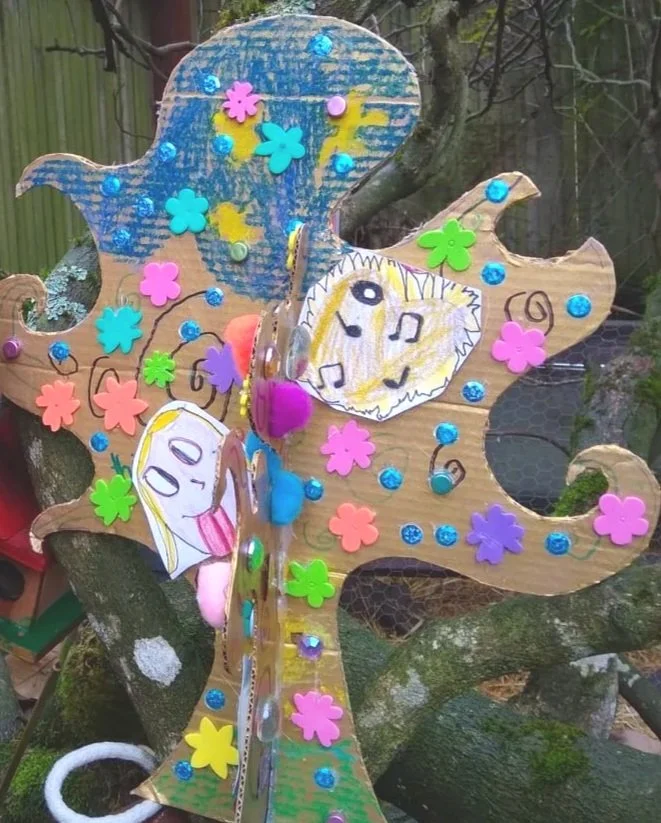
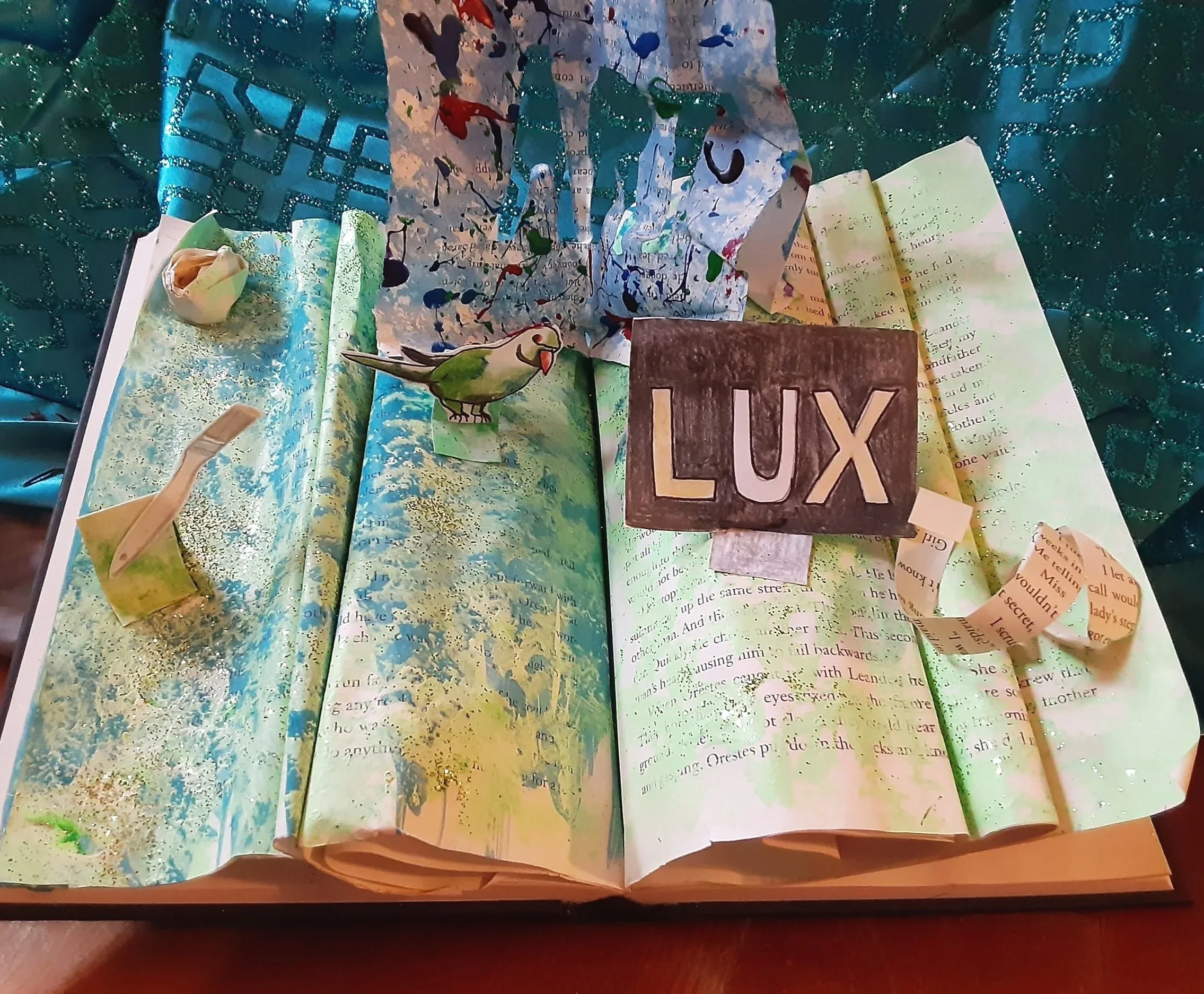
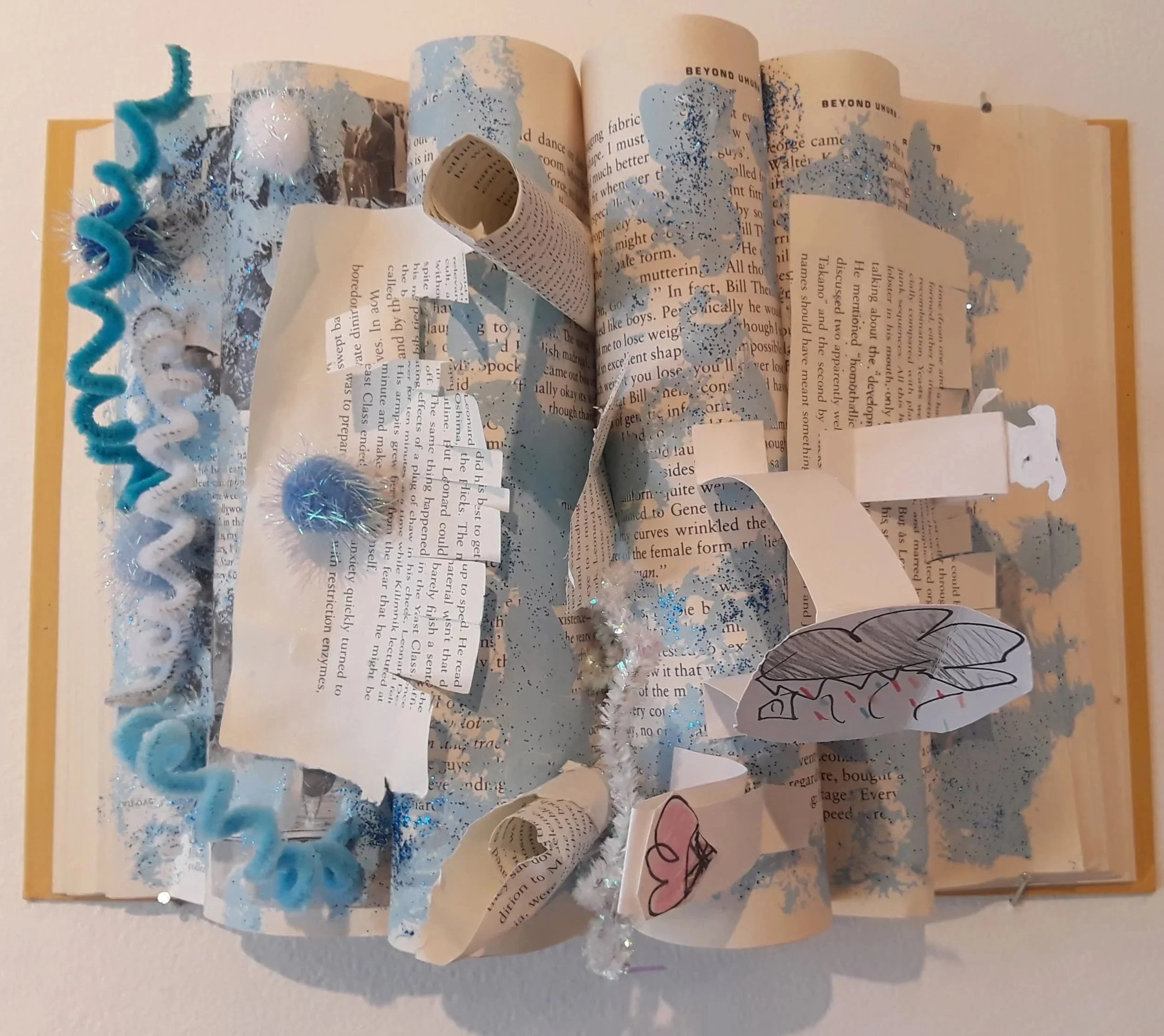
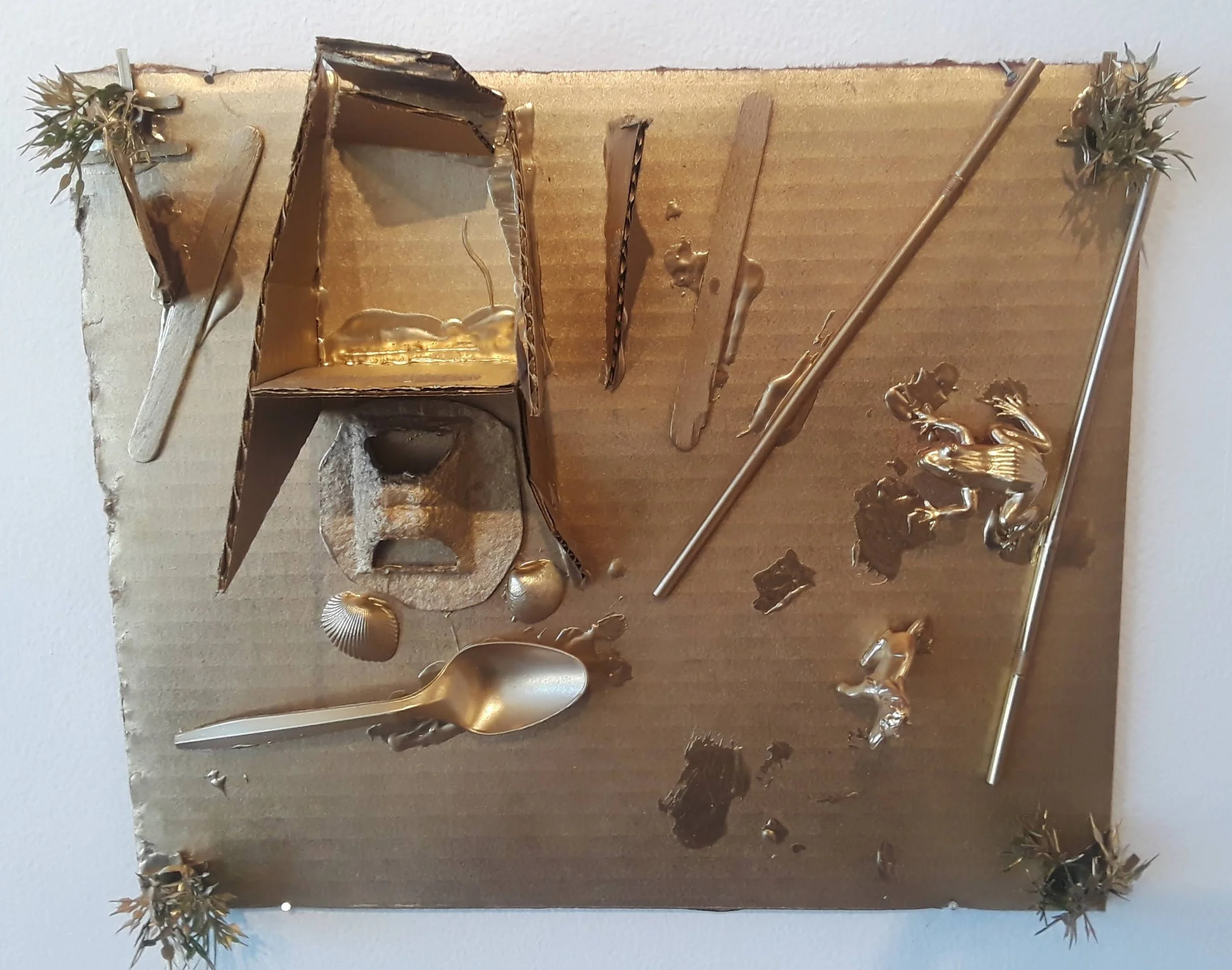
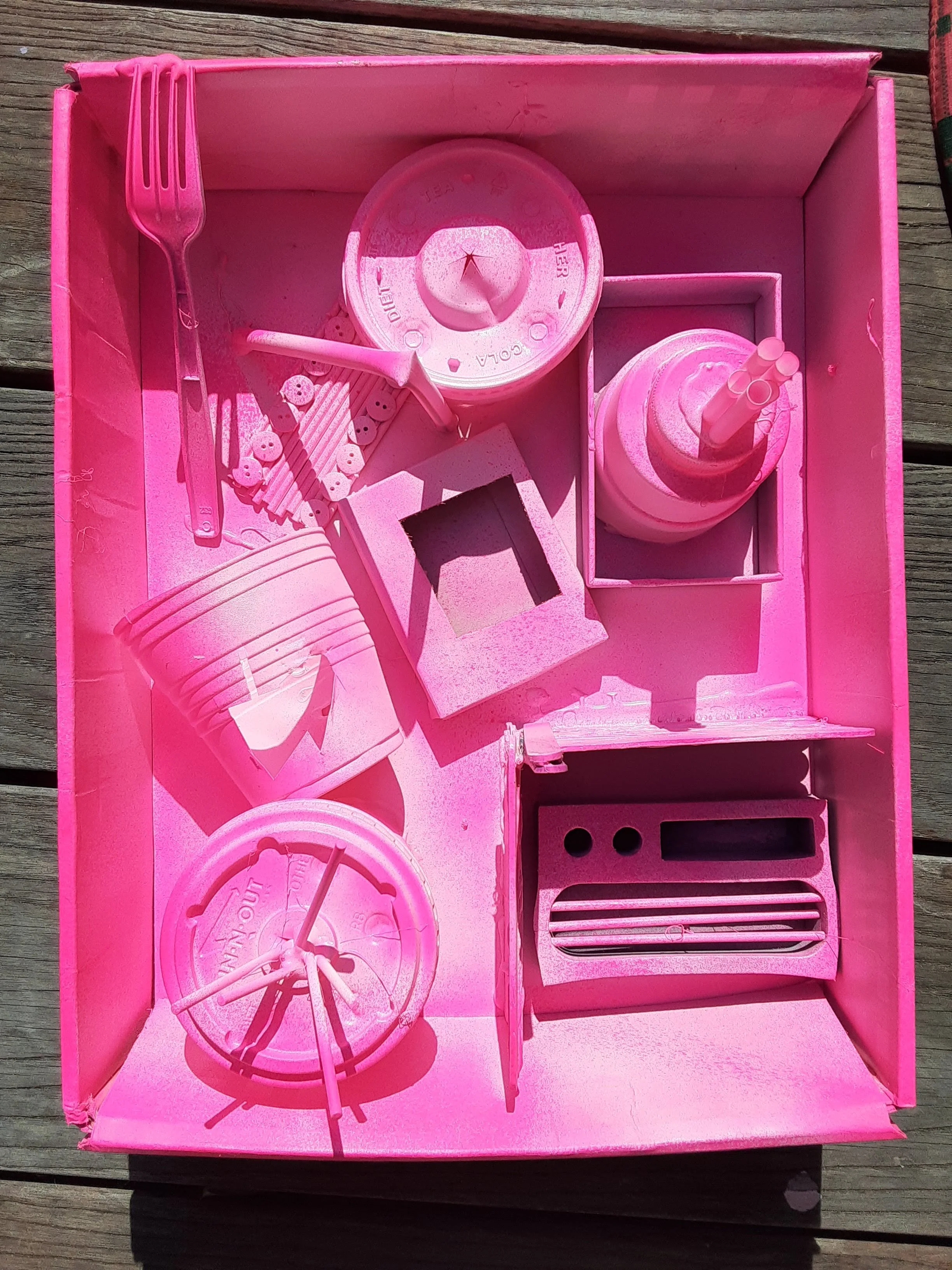
Sculpture is a unique and engaging art form that allows artists to create in three dimensions, bringing ideas to life through shape, texture, and form. While sculpture is often viewed as a medium reserved for experienced artists due to its technical processes and specialized materials, it can be especially rewarding and accessible for children.
For young artists, sculpture offers a hands-on, kinesthetic experience that encourages exploration through building, shaping, and constructing. Unlike drawing or painting on a flat surface, sculpture challenges children to think spatially and consider how an artwork exists and can be viewed from every angle. This process helps develop an understanding of the differences between two-dimensional and three-dimensional art while introducing concepts such as balance, structure, proportion, and form in space.
Children can easily access sculpture through simple, everyday materials such as cardboard, popsicle sticks, pipe cleaners, recyclables, paper, and found objects. These approachable supplies encourage creativity and experimentation without the pressure of perfection. Through techniques such as bending, tearing, stacking, inserting, gluing, and connecting materials in various ways, students learn problem-solving skills and gain confidence in transforming ordinary objects into imaginative creations. Sculpture nurtures both creativity and critical thinking, making it an exciting and enriching medium for artistic growth.