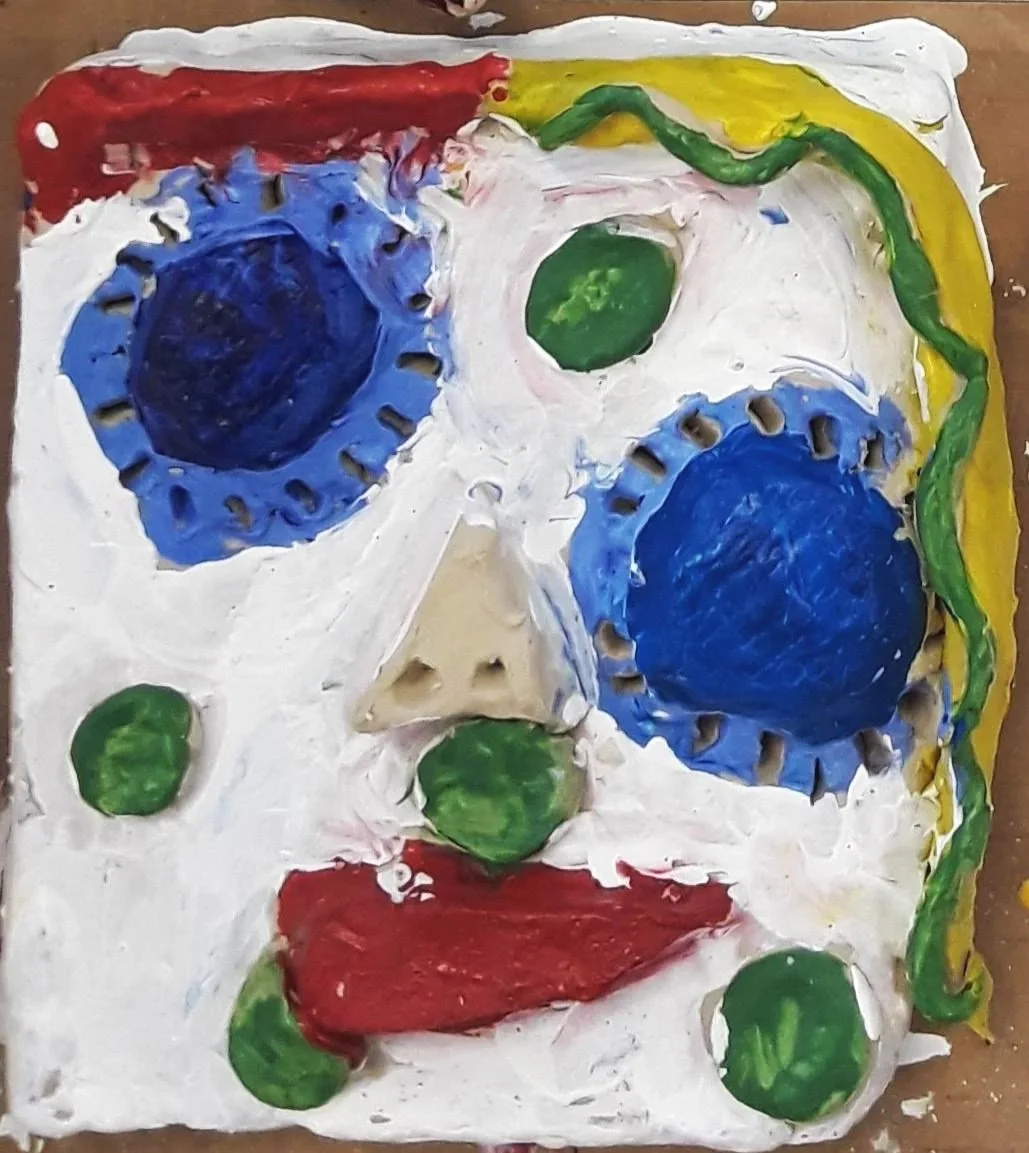
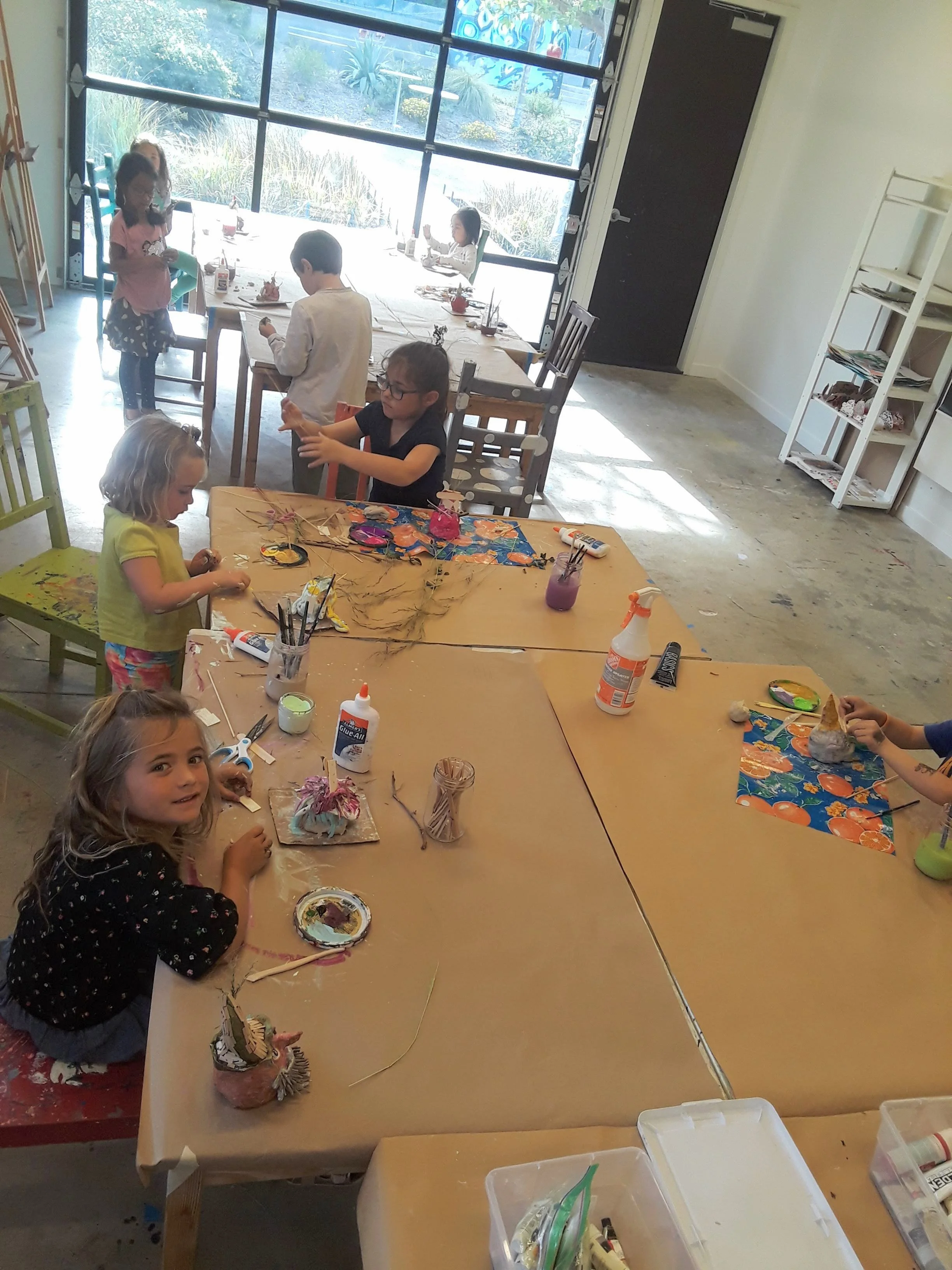
Clay is a tactile and highly engaging art medium that invites creativity through touch, movement, and transformation. While mastering advanced ceramic techniques such as wheel throwing and glazing often requires years of practice, clay remains one of the most enjoyable and accessible materials for children to explore. Its soft, moldable nature encourages curiosity and experimentation, making it an exciting introduction to three-dimensional art.
Working with clay allows children to squish, squeeze, pull, roll, and shape material with their hands, helping to strengthen both large and fine motor skills. These physical interactions improve dexterity, hand-eye coordination, and spatial awareness while offering a sensory-rich creative experience. As children manipulate clay into recognizable forms, they develop patience, concentration, and problem-solving skills through a process that requires focus and thoughtful decision-making.
Clay also introduces important artistic concepts related to form and dimension. Unlike flat artwork, clay teaches children to think three-dimensionally and understand that art can exist in space and be viewed from all angles. This helps bridge the transition between two-dimensional and sculptural thinking, deepening their understanding of shape, volume, and structure.
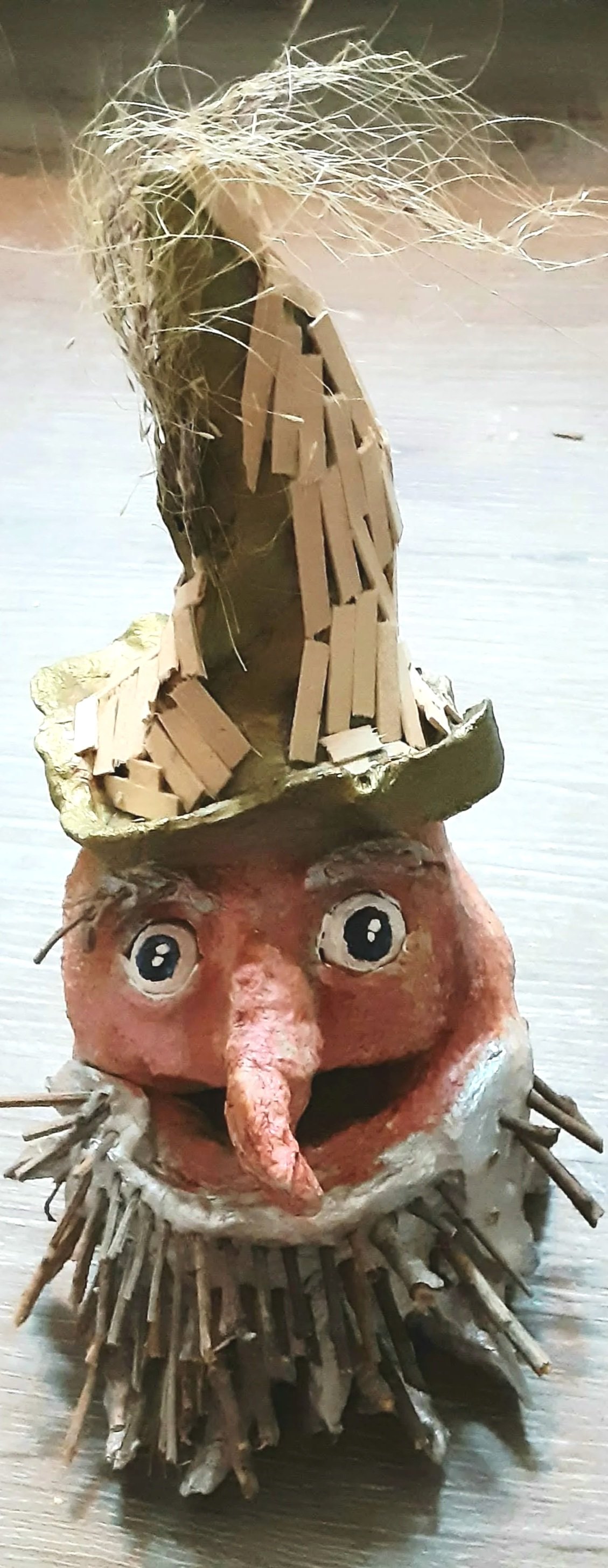
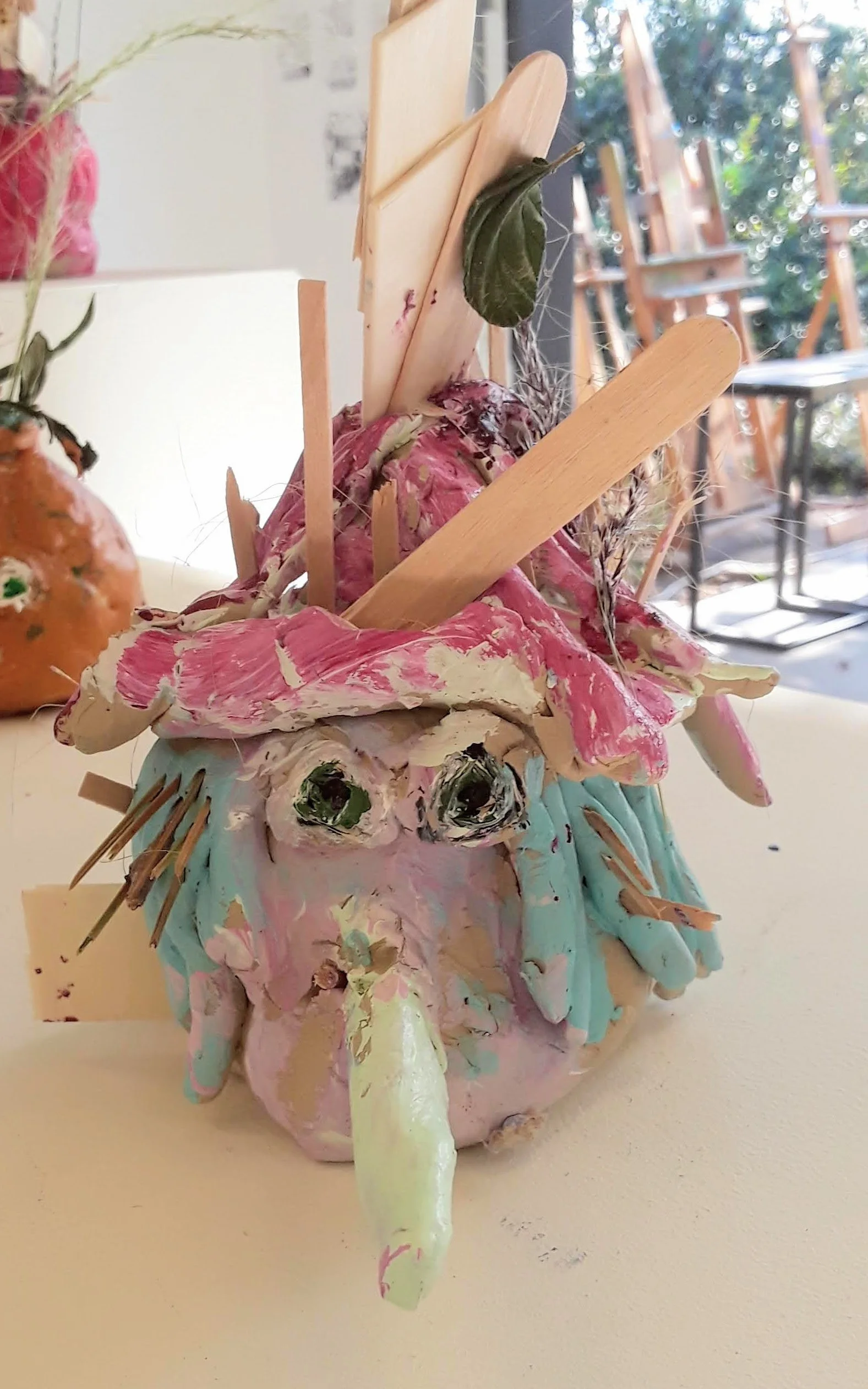
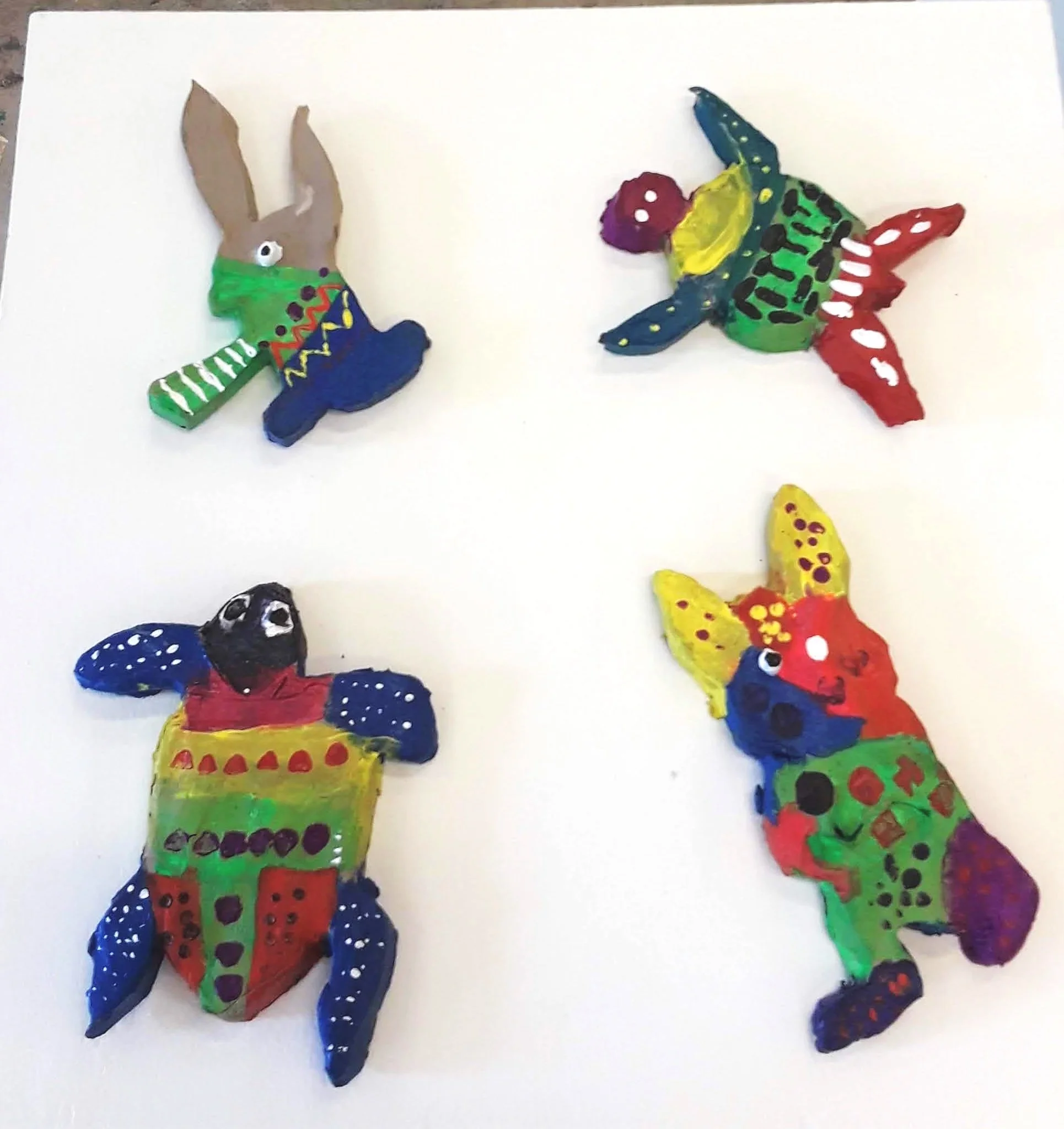
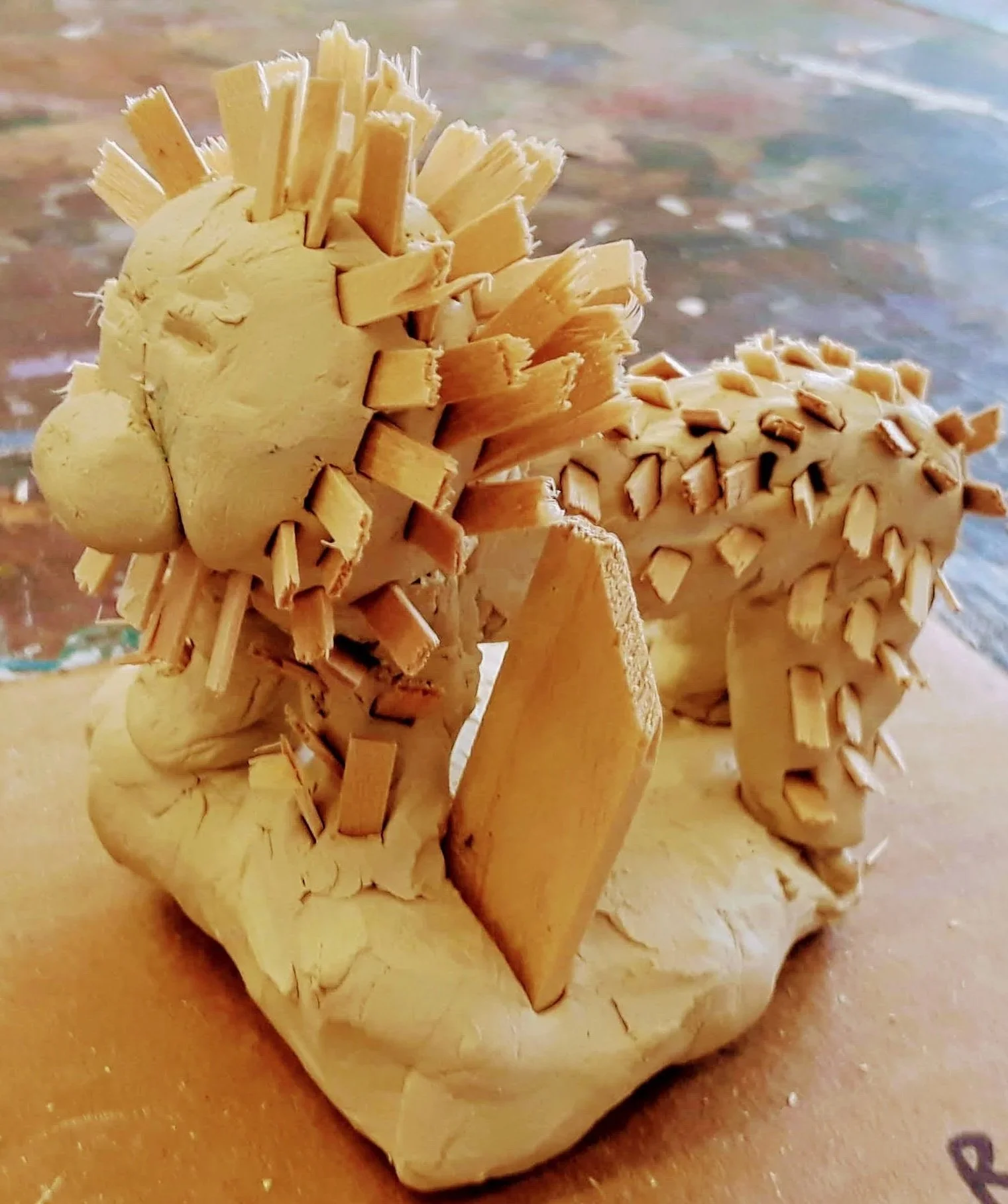
A clay curriculum for children often includes foundational techniques such as hand building, slab construction, coiling, and pinch pots. Students also learn about the natural properties of clay, including how to score and smooth surfaces to join pieces together, as well as how to use a variety of tools to create texture and detail. Through exploration and hands-on practice, clay becomes both an educational and deeply rewarding artistic experience.


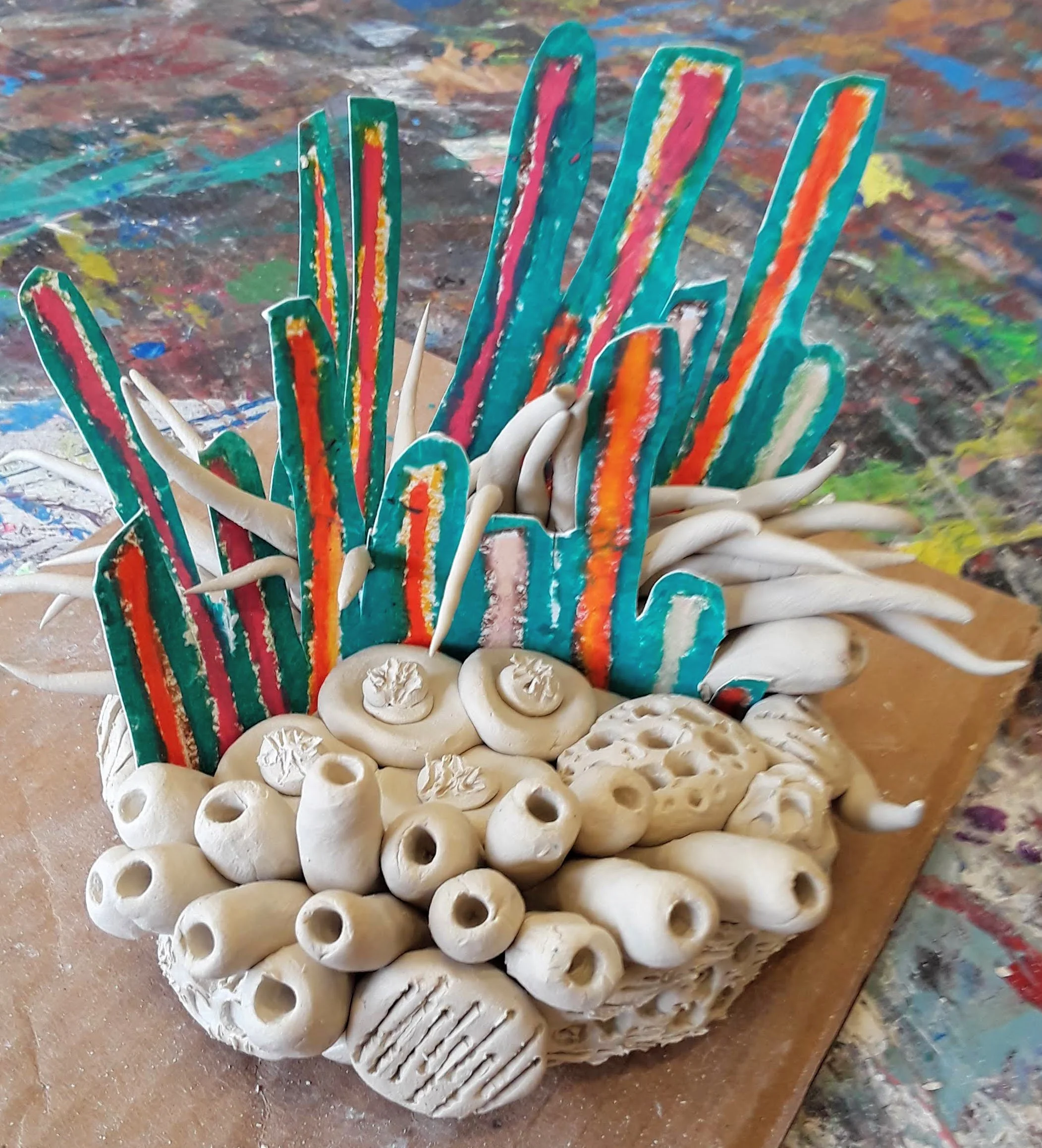
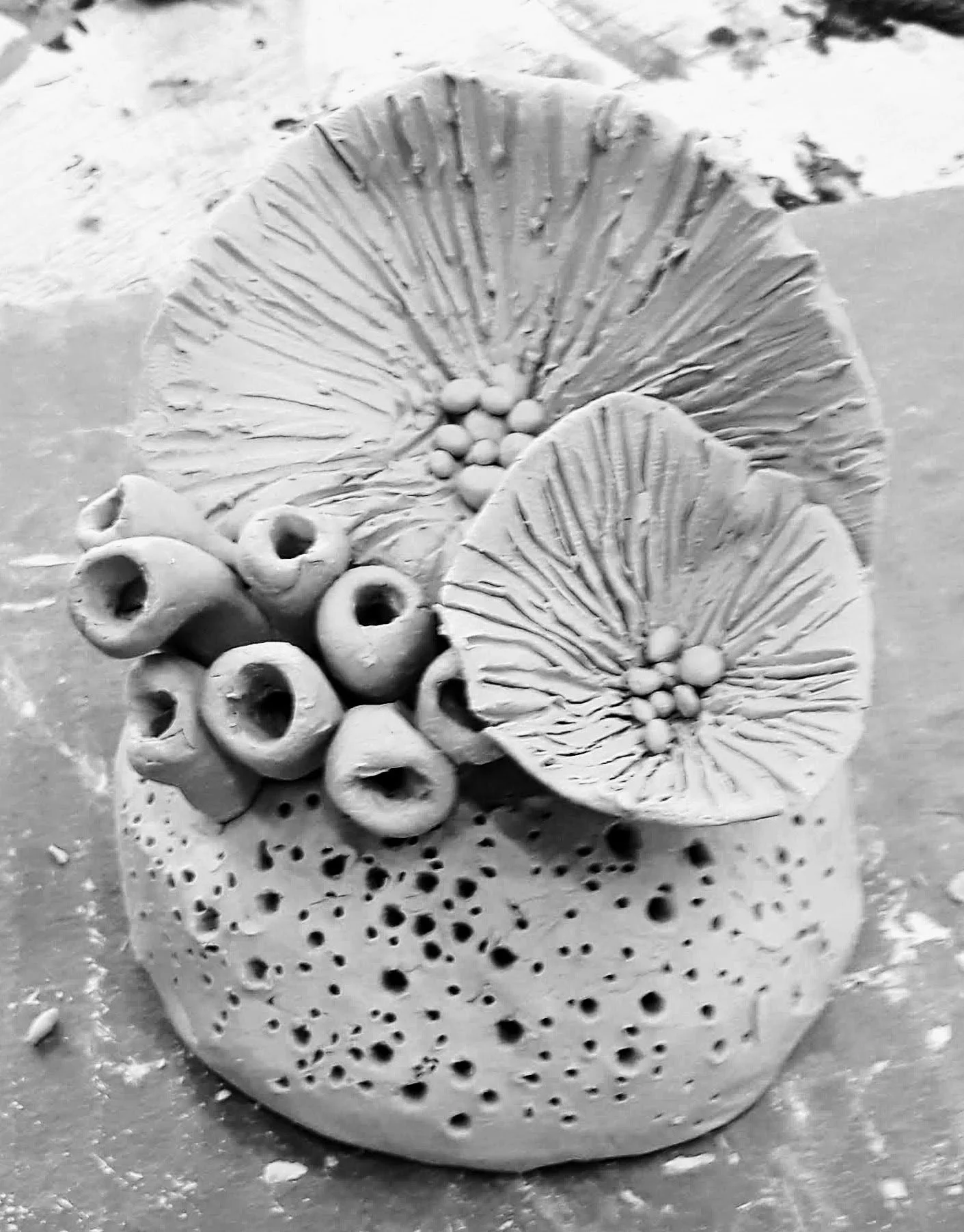
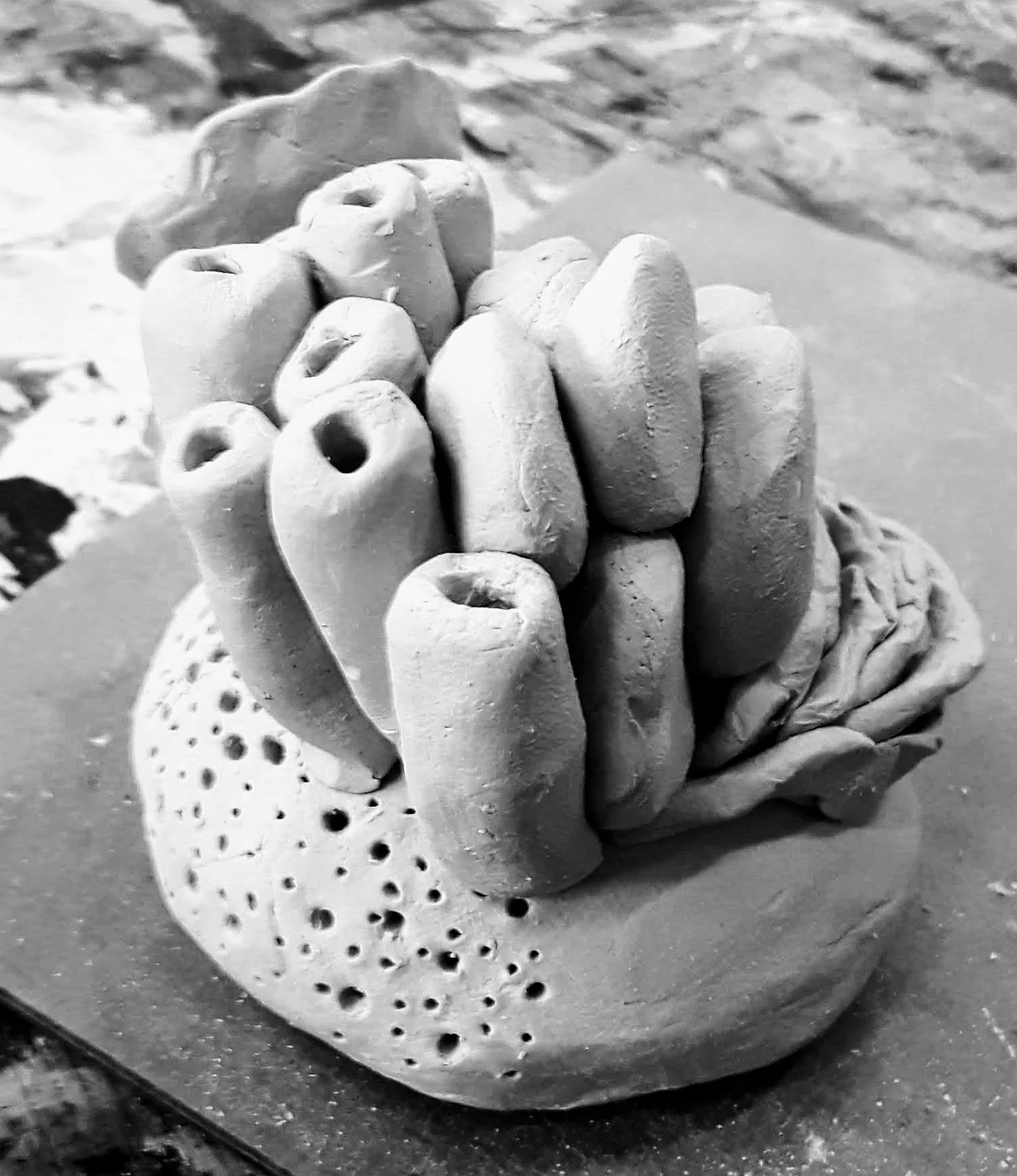
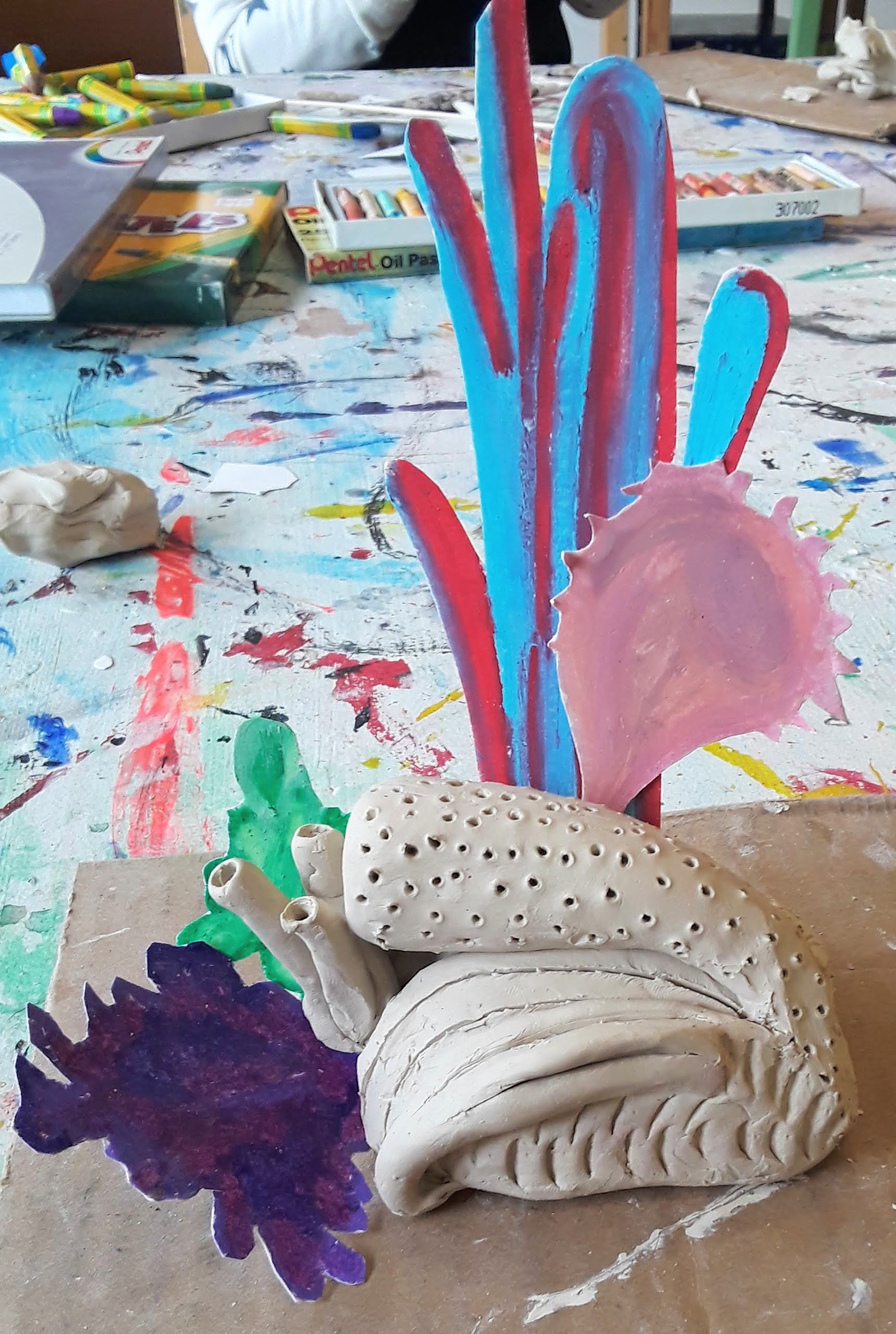


'Coral Pinch Pot Characters' (clay, paint, live succulents)